What Is Heel Pain?
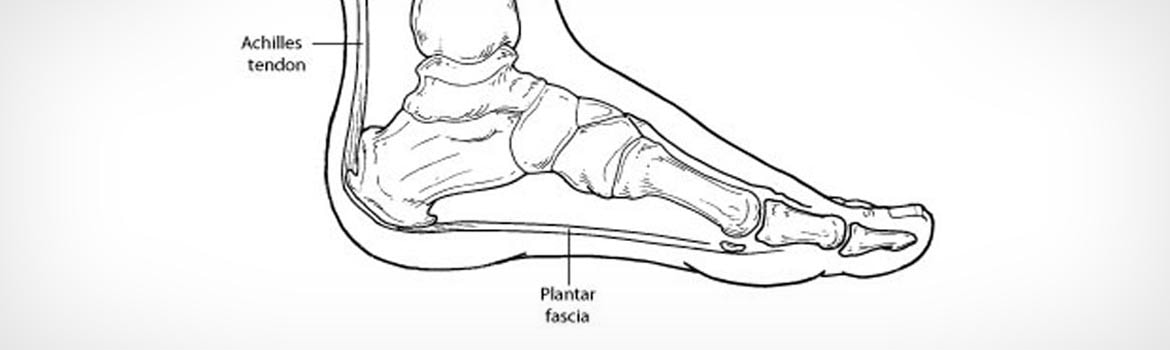
Heel pain is most often caused by plantar fasciitis, a condition that is sometimes also called heel spur syndrome when a spur is present. Heel pain may also be due to other causes, such as a stress fracture, tendonitis, arthritis, nerve irritation, or, rarely, a cyst.
Because there are several potential causes, it is important to have heel pain properly diagnosed. Ozan Amir is able to distinguish between all the possibilities and determine the underlying source of your heel pain.
What Is Plantar Fasciosis?
Plantar fasciitis is a chronic degeneration of the band of tissue (the plantar fascia) that extends from the heel to the toes. In this condition, the fascia first becomes irritated and then inflamed, resulting in heel pain.
What Causes Heel Pain?
Heel pain is most often caused by strain on the plantar fascia, driven by the structure of the foot, by non-supportive footwear on hard surfaces, or by body weight. Less commonly it comes from a stress fracture, tendonitis, arthritis, nerve irritation or a cyst, which is why the cause needs to be diagnosed rather than assumed.
Faulty foot structure
The most common cause of plantar fasciosis relates to a faulty structure of the foot. For example, people who have problems with their arches, either overly flat feet or high-arched feet, are more prone to developing plantar fasciosis.
Non-supportive footwear and hard surfaces
Wearing non-supportive footwear on hard, flat surfaces puts an abnormal strain on the plantar fascia and can also lead to plantar fasciosis. This is particularly evident when one’s job requires long hours on the feet.
Body weight
Obesity may also contribute to plantar fasciosis.
Symptoms to Look Out For
The symptoms of plantar fasciitis are:
- Pain in the bottom of the heel.
- Pain that is usually worse upon arising.
- Pain that increases over a period of months.
People with plantar fasciosis often describe the pain as worse when they get up in the morning or after they’ve been sitting for long periods of time. After a few minutes of walking the pain decreases, because walking stretches the fascia. For some people the pain subsides but returns after spending long periods of time on their feet.
How Is Heel Pain Diagnosed?
To arrive at a diagnosis, Ozan Amir will obtain your medical history and examine your foot. Throughout this process Ozan rules out all the possible causes for your heel pain other than plantar fasciitis.
In addition, diagnostic imaging studies such as x-rays or other imaging modalities may be used to distinguish the different types of heel pain. Sometimes heel spurs are found in patients with plantar fasciitis, but these are rarely a source of pain. When they are present, the condition may be diagnosed as plantar fasciitis/heel spur syndrome.
Non-Surgical Treatment
Initially see your local podiatrist, who may add one or more of these treatment approaches:
| Treatment | What it does |
|---|---|
| Padding and strapping | Placing pads in the shoe softens the impact of walking. Strapping helps support the foot and reduce strain on the fascia. |
| Orthotic devices | Custom orthotic devices that fit into your shoe help correct the underlying structural abnormalities causing the plantar fasciitis. |
| Injection therapy | In some cases, corticosteroid injections are used to help reduce the inflammation and relieve pain. |
| Removable walking cast | A removable walking cast may be used to keep your foot immobile for a few weeks to allow it to rest and heal. |
| Night splint | Wearing a night splint allows you to maintain an extended stretch of the plantar fascia while sleeping. This may help reduce the morning pain experienced by some patients. |
| Physical therapy | Exercises and other physical therapy measures may be used to help provide relief. |
When Is Surgery Needed?
Although most patients with plantar fasciosis respond to non-surgical treatment, a small percentage of patients may require surgery. If, after several months of non-surgical treatment, you continue to have heel pain, surgery will be considered. Ozan Amir will discuss the surgical options with you and determine which approach would be most beneficial for you.
Heel Pain in Children and Teenagers
Heel pain in children between roughly eight and fourteen years of age is most often calcaneal apophysitis, also known as Sever’s disease. It is an irritation of the growth plate at the back of the heel, where the Achilles tendon attaches, and it is common in active children during periods of rapid growth. It is a different condition from plantar fasciitis and is assessed on its own terms.
Our podiatrists see children of all ages, from toddlers who are learning to walk through to teenagers in competitive sport. Children’s appointments usually include a look at how they walk and run, muscle strength and flexibility testing, and footwear advice. Where it’s needed, treatment may include an exercise program or, in some cases, splinting or orthoses.
Heel Pain FAQs
No, you can book directly without a referral. If you’d like, we’ll send a short report to your GP after your appointment so your foot care stays part of your overall health record. If your appointment is through a Medicare care plan, DVA or another funded program, you will need a referral, so check with us when you book.
Sometimes heel spurs are found in patients with plantar fasciitis, but these are rarely a source of pain. When they are present, the condition may be diagnosed as plantar fasciitis/heel spur syndrome.
Custom orthotic devices that fit into your shoe help correct the underlying structural abnormalities causing the plantar fasciitis. Often symptoms associated with biomechanical malalignment are treated with the use of custom foot orthotics. This device can help improve and reduce load on painful structures.
It depends on the cause and on how long the pain has been present. Most patients with plantar fasciosis respond to non-surgical treatment. If, after several months of non-surgical treatment, you continue to have heel pain, Ozan Amir will discuss the surgical options with you.
If your policy includes podiatry, yes. All major private health funds recognise the clinic, and podiatry is covered under extras rather than hospital cover. How much you get back depends on your level of extras and how much of your annual limit you’ve already used. Bring your health fund card and we can process your claim on the spot, so you only pay the gap. For an exact figure, ask your fund for the rebate on the specific service before your appointment. We can give you the item number to quote.
Serving Manly and the Northern Beaches.
Manly Foot Clinic is at Shop 3/3 Corrie Rd, North Manly, NSW 2100, and has treated heel pain for patients from Manly, Dee Why, Brookvale, Freshwater and Balgowlah since 1989. The clinic is open Monday to Friday from 8:30am to 5:30pm and Saturday from 8:00am to 2:00pm.